
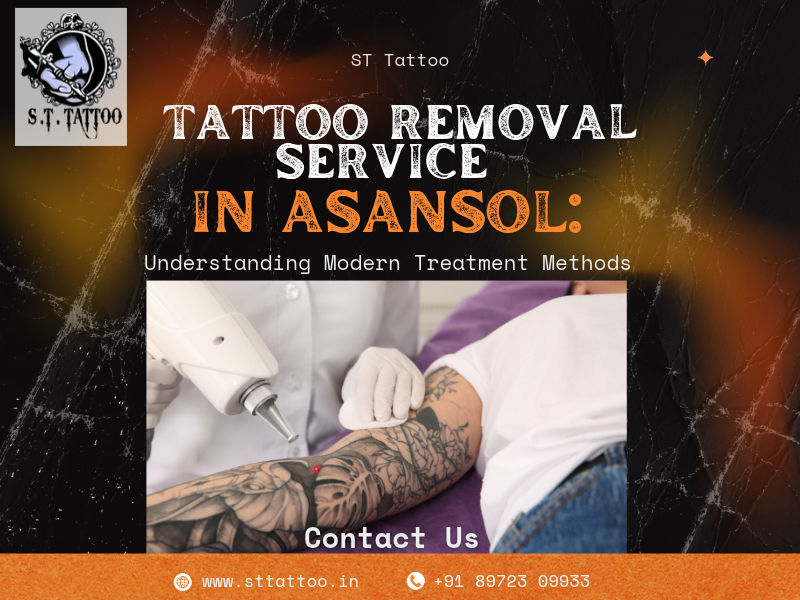
Tattoo Removal Service in Asansol: Understanding Modern Treatment Methods
Tattoos often represent memories, emotions or personal milestones. However, preferences can change over time. A design that once felt meaningful may no longer match your personality or lifestyle. Some people also consider tattoo removal because of faded ink, unwanted names or outdated designs.
Modern tattoo removal methods offer different ways to address unwanted ink. Laser technology has become a commonly used option because it targets tattoo pigments beneath the skin. However, the treatment process depends on several factors, including tattoo size, ink colour and skin type.
If you are considering removing an unwanted tattoo, understanding the available methods can help you make an informed decision.
Why Are More People Considering Tattoo Removal?
There are several reasons why people decide to remove their tattoos. Personal preferences, professional requirements and lifestyle changes can influence this decision.
Some common reasons include:
- Changing preferences: A design that suited your earlier personality may no longer reflect who you are today.
- Unwanted names or initials: Relationship changes may make certain tattoos uncomfortable to keep.
- Faded designs: Older tattoos may lose their original appearance over time.
- Poor tattoo experiences: Some people may want to address designs they are unhappy with.
- Cover-up preparation: Removing or fading an existing tattoo may help prepare the area for a new design.
Whatever the reason, understanding the removal process is important before beginning treatment.
Understanding Modern Tattoo Removal Methods
Tattoo removal technology has developed over the years. Different methods work in different ways, and their suitability depends on the tattoo and individual skin characteristics.
1. Laser Tattoo Removal
Laser tattoo removal is one of the most widely used modern approaches. It uses focused light energy to target ink particles beneath the skin.
The laser delivers short pulses of energy that break tattoo pigment into smaller particles. The body’s natural processes gradually clear these particles over time.
Multiple sessions are usually required because tattoo ink sits at different depths within the skin. The number of sessions depends on the tattoo’s characteristics and individual response.
2. Q-Switched Laser Technology
Q-switched lasers deliver high-energy pulses over very short periods. They are designed to target specific tattoo pigments while limiting unnecessary heat exposure to surrounding skin.
Different wavelengths may be used depending on the ink colour. Black and darker pigments often respond differently from lighter colours such as green, yellow and turquoise.
A professional assessment helps determine whether this technology is suitable for a particular tattoo.
3. Picosecond Laser Technology
Picosecond lasers deliver extremely short energy pulses, measured in trillionths of a second. They use a photoacoustic effect to break pigment into smaller particles.
This technology may be suitable for certain stubborn pigments and tattoo types. However, results vary depending on the ink, skin characteristics and treatment settings.
Not every tattoo requires the same laser technology. A qualified practitioner should recommend an appropriate approach after examining the area.
What Factors Affect Tattoo Removal Results?
Choosing a Tattoo Removal Service in Asansol involves understanding that every tattoo responds differently to treatment. Several factors can influence the process and expected results.
1. Tattoo Ink Colour
Ink colour plays an important role in laser treatment. Black and dark blue pigments often respond more readily to laser energy.
Green, yellow and lighter shades may require different wavelengths and additional sessions. Multicoloured tattoos can therefore need a more individualised treatment plan.
2. Tattoo Size and Location
Larger tattoos generally require more treatment time than smaller designs. The location also matters because blood circulation and skin characteristics vary across different body areas.
Some areas may respond more slowly during the removal process.
3. Age of the Tattoo
Older tattoos may have already faded due to natural skin processes and environmental exposure. However, tattoo age alone does not determine removal success.
Ink depth, pigment composition and previous treatments also influence the outcome.
4. Individual Skin Characteristics
Different skin types respond differently to laser treatment. Skin tone, sensitivity and medical history should be considered before choosing treatment settings.
A proper consultation helps identify possible risks and suitable treatment options.
What Happens During a Tattoo Removal Session?
Understanding the treatment process can help reduce uncertainty, especially if you are considering laser removal for the first time.
A typical treatment journey may involve the following stages:
Initial Consultation: The practitioner examines the tattoo, discusses your expectations and evaluates your skin.
Treatment Planning: The appropriate laser technology and settings are selected according to the tattoo’s characteristics.
Preparation: The treatment area is cleaned, and suitable protective measures are taken. Eye protection is essential during laser procedures.
Laser Treatment: Short laser pulses are directed towards the tattoo pigment. You may experience a snapping sensation or temporary discomfort.
Aftercare: The treated area may develop temporary redness, swelling or blistering. Following professional aftercare instructions helps support proper healing.
Sessions are usually spaced several weeks apart to allow the skin to recover and the body to clear fragmented pigment.
Important Aftercare Tips for Better Skin Recovery
Aftercare is an essential part of the tattoo removal process. Following the practitioner’s instructions can help reduce irritation and support healing.
Keep these points in mind:
- Keep the treated area clean and follow wound-care instructions.
- Avoid scratching, rubbing or picking at the treated skin.
- Protect the area from direct sunlight.
- Avoid swimming until the treated skin has healed.
- Do not apply harsh skincare products to the treated area.
- Contact your practitioner if you notice signs of infection or unusual healing.
Avoid rushing into another session before the recommended recovery period.
Choosing the Right Tattoo Removal Professional in Asansol
Before selecting a treatment provider, consider their experience, equipment and approach to skin safety.
Look for these important factors:
- Qualified practitioners: Check their relevant training and experience with laser procedures.
- Suitable equipment: Ask about the laser technology available and its suitability for your tattoo.
- Proper consultation: Ensure your skin and tattoo are assessed before treatment.
- Hygiene standards: The treatment environment should follow appropriate cleanliness and safety practices.
- Clear guidance: A professional should explain possible side effects, limitations, costs and expected treatment timelines.
A responsible provider will discuss realistic expectations rather than promise complete removal in a fixed number of sessions.
Ready for a Fresh Start? Explore Your Tattoo Removal Options
Removing an unwanted tattoo is a personal decision. Modern laser technology offers different treatment approaches, but the right option depends on your skin, tattoo pigments and individual requirements.
If you are exploring a Tattoo Removal Service in Asansol, consider consulting an experienced professional before beginning treatment. A proper assessment can help you understand the available options and make a more informed choice.
Whether you want to remove an old design or prepare your skin for something new, ST Tattoo can help you explore your tattoo-related requirements. Get in touch to discuss your needs and understand the next steps towards your desired results.